If you’re getting ready to sell in Powell, one question matters more than almost any other: Will your home hit the market at the right price and in the right condition? In today’s market, buyers are still active, but they are more selective than they were a few years ago. That means smart pricing and thoughtful preparation can make a real difference in how quickly your home sells and how smoothly the process goes. Let’s dive in.
Powell sellers need strategy now
Powell remains a desirable Central Ohio market, but it is not the kind of market where you can price high, skip prep, and expect buyers to overlook the details. Recent Powell MLS data for February 2026 showed a median sales price of $669,250, 47 days on market until sale, 23 homes in inventory, and 1.4 months of supply. That still points to a relatively tight market, but not one where every home sells instantly.
The broader Central Ohio market tells a similar story. In March 2026, inventory rose year over year, median sale price increased, and homes stayed on the market for about 46 days with a 1.6-month supply. Buyers are still competing for the right homes, but they are weighing value more carefully.
Mortgage rates have also added pressure to buyer budgets. Columbus REALTORS® reported that the average 30-year fixed rate dipped below 6% in late February, then rose by a little more than half a point in just over a month. On a median-priced Central Ohio home, that change added about $109 per month, which is one reason accurate pricing matters so much.
How to price a home in Powell
Start with recent sold comps
The best place to start is with recent sold comparable homes, not active listings or a hopeful number. Sold homes show what buyers were actually willing to pay in real market conditions. In Powell, that matters because pricing too high can leave a listing sitting while better-positioned homes attract attention.
Powell’s February 2026 MLS report showed homes selling at 96.4% of original list price year to date. Regionally, Columbus REALTORS® reported that buyers were saving an average of 1.3% at closing in March 2026. Those numbers suggest that buyers still have room to negotiate, even in a market with limited inventory.
Compare homes on the same basis
Not every four-bedroom home in Powell competes with every other four-bedroom home. You need to compare homes with a similar style, age, size, lot, location context, and level of updates. A polished home with updated finishes and strong curb appeal is not likely to be judged the same way as a similar-sized home with visible wear.
That is especially important in a market where buyers can take a little more time and weigh options. When inventory is available, even at relatively low levels, condition becomes easier for buyers to compare side by side. If your home needs work, the price should reflect it.
Price condition in honestly
One of the biggest mistakes sellers make is assuming buyers will pay top dollar and then handle repairs later. In reality, buyers usually notice deferred maintenance quickly and factor it into both their offer price and their comfort level. If your home needs paint, repairs, or cosmetic updates, those items should be part of the pricing conversation from the start.
This does not mean you have to renovate everything. It means your list price should match the experience buyers will have when they walk through the front door.
Should you get a pre-list inspection?
A pre-list inspection is optional, but it can be helpful in the right situation. If your home has older systems, visible wear, or repair questions, getting an inspection before listing can help you understand what buyers may notice later. It can also give you time to gather estimates, decide what to fix, and price the home more accurately.
According to guidance cited in the research, pre-sale and pre-list inspections can help sellers avoid surprises, support better pricing, and reduce negotiation stress. A typical inspection may review major systems and components such as roofing, HVAC, plumbing, electrical, structure, interior, and exterior elements.
For some Powell sellers, this step creates more control. Instead of reacting to inspection issues during contract negotiations, you can make informed decisions before the home goes live.
What Powell buyers are likely noticing
Powell’s appeal is tied to its small-town feel, parks and recreation, and strong community identity. Buyers drawn to this area are often looking closely at lifestyle fit, layout, and how well a home feels maintained. That means presentation matters before they ever schedule a showing.
Research on staging shows that 83% of buyer agents said staging makes it easier for buyers to visualize a property as a future home. The rooms that mattered most were the living room, primary bedroom, and kitchen. Buyer agents also said that photos, physical staging, videos, and virtual tours play a major role in the buying process.
In practical terms, your online presentation needs to do a lot of heavy lifting. Many buyers already know the areas and home styles they want before they begin touring in person. If your photos and overall presentation feel clean, bright, and move-in ready, you have a better chance of making the shortlist.
How to prepare your Powell home to sell
Focus on the basics first
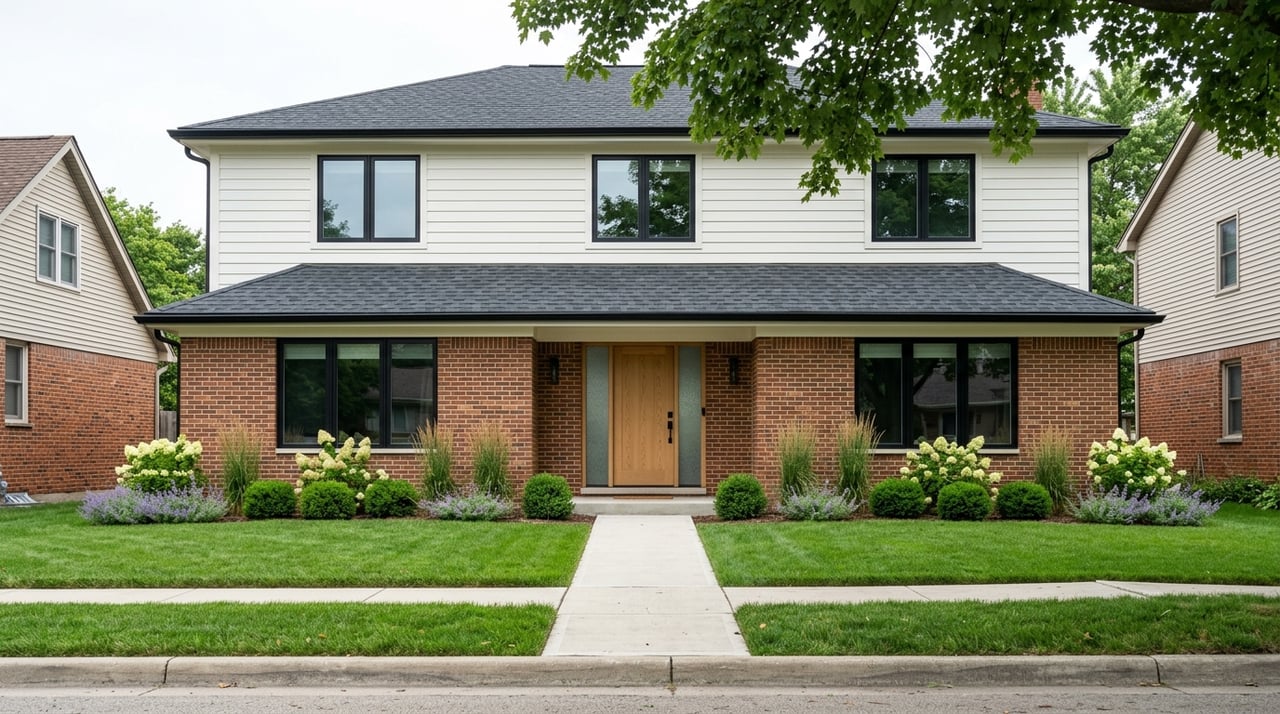
You do not need to start with a major renovation. In many cases, the most effective pre-list work is simple, visible, and relatively low-friction. Cleaning, decluttering, and sharpening curb appeal can improve both photos and buyer perception.
Consider these common basics before listing:
- Clean windows, carpets, walls, and lighting fixtures
- Store away excess furniture and clutter
- Refresh the front entrance
- Tidy landscaping and outdoor spaces
- Touch up paint where needed
These steps help buyers focus on the home itself instead of distractions. They can also make rooms feel larger, brighter, and better cared for.
Prioritize rooms buyers care about
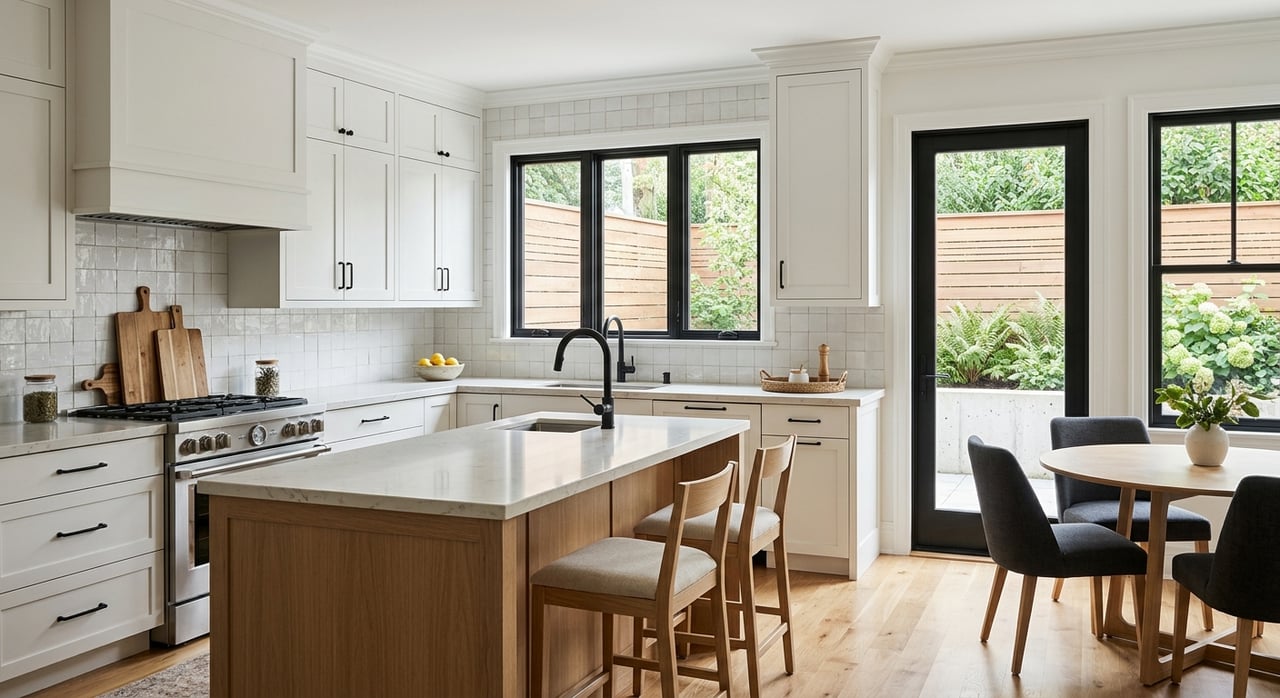
If you are deciding where to spend your time and money, start with the areas buyers notice most. Staging research points to the living room, primary bedroom, and kitchen as the most important spaces. These rooms often shape a buyer’s first impression of whether a home feels functional, welcoming, and worth the asking price.
That does not mean every room needs to look like a magazine spread. It means the most visible spaces should feel open, neutral, and easy to understand. Buyers tend to respond well when they can quickly see how they would use the space.
Make practical updates when needed
If your home needs more than a cosmetic refresh, it helps to be selective. Research cited in the report found that Realtors most often recommend painting the entire home, painting a single interior room, and installing new roofing before listing. Increased buyer demand was also noted for kitchen upgrades, roofing, and bathroom renovations.
Still, not every improvement is worth doing before you sell. The goal is not to over-improve. The goal is to make smart choices that support pricing and help the home feel well maintained.
Look for high-impact polish
Some of the strongest cost recovery projects in the cited remodeling research included a new steel front door, closet renovation, and new fiberglass front door. For many sellers, that is a useful reminder that smaller updates can have an outsized effect. A cleaner, more polished entry and better-organized storage can leave a strong impression without the cost of a full remodel.
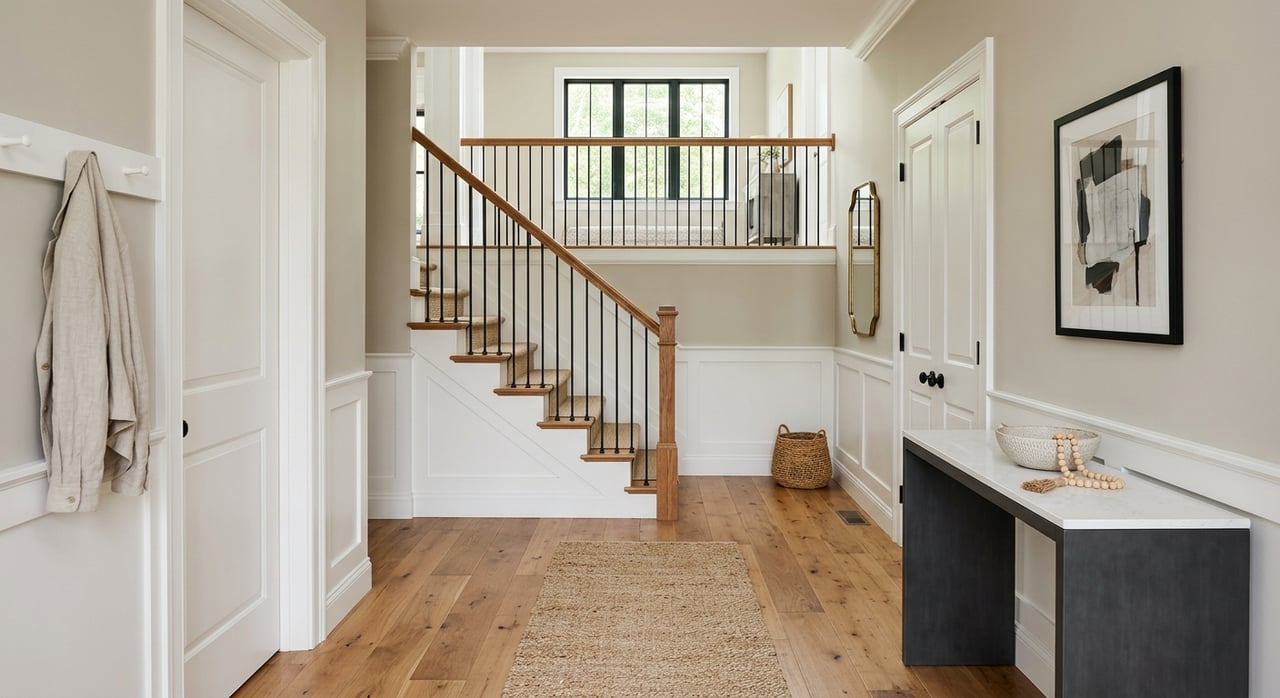
In Powell, where buyers often care about function as much as finish, these details can help your home feel more complete. A tidy entry, organized closets, and attractive outdoor spaces can reinforce the sense that the home has been cared for.
A simple Powell seller checklist
Before your home goes live, work through these essentials:
- Review recent sold comps in your area and price range
- Adjust pricing for condition, updates, lot, and setting
- Decide whether a pre-list inspection makes sense
- Make needed repairs that could affect buyer confidence
- Clean thoroughly and remove clutter
- Improve curb appeal and front-entry appearance
- Give extra attention to the living room, kitchen, and primary bedroom
- Make sure photos and marketing reflect the home at its best
Why overpricing can backfire
It is tempting to test the market with a higher number, especially in a place like Powell where values have remained strong. But in a more selective market, overpricing can reduce early momentum. Buyers who watch new listings closely may skip over a home that seems out of line, and price reductions later can make a listing feel stale.
The better approach is usually to come to market with a price that reflects recent sales, current competition, and the home’s actual condition. Strong preparation supports that price. When pricing and presentation line up, buyers are more likely to respond quickly and with confidence.
The right plan is personal
Every Powell home has its own pricing story. A newer home in polished condition may need very little beyond staging and professional presentation. An older home with deferred maintenance may benefit from a pre-list inspection, repair estimates, and a sharper pricing strategy from day one.
That is why a one-size-fits-all plan rarely delivers the best outcome. The strongest results usually come from matching price, preparation, and marketing to the specific home and the buyers most likely to want it.
If you want a clear plan for pricing and preparing your Powell home, Jill Beckett-Hill offers hands-on guidance, staging insight, pricing strategy, and full-service support designed to help you sell with confidence.
FAQs
How should you price a home to sell in Powell?
- Start with recent sold comparable homes, then adjust for condition, updates, lot characteristics, and overall presentation rather than relying on an aspirational list price.
What home improvements matter most before selling in Powell?
- The most practical first steps are cleaning, decluttering, touch-up paint, curb appeal work, and improvements to key spaces like the living room, kitchen, and primary bedroom.
Is a pre-list inspection worth it for a Powell home sale?
- A pre-list inspection can be helpful if your home has older systems, visible wear, or possible repair issues because it can help you price more accurately and reduce surprises during negotiations.
What are buyers looking for in Powell homes?
- Buyers are likely paying close attention to overall condition, functional living spaces, online presentation, and whether the home feels well maintained and move-in ready.
Can you overprice a home in the Powell market?
- Yes. Even though inventory remains relatively tight, buyers have become more selective, and overpricing can reduce early interest and lead to more time on market.