Looking at homes in Powell can feel simple at first glance, but the city has more variety than many buyers expect. You may see a polished golf-course street, a walkable downtown block, and a low-maintenance condo community all within a relatively small footprint. If you want to understand how Powell really lives from one area to the next, this guide will help you spot the differences that matter most. Let’s dive in.
Powell Has a Distinct Housing Pattern
Powell is a compact city in Delaware County with about 5.8 square miles and 5,669 housing units. The housing mix leans strongly toward detached homes, with roughly 90% of housing units classified as single-unit homes. That gives much of Powell a classic suburban feel, even as certain areas offer condos and other lower-maintenance options.
The city also has a strong planning identity. Powell describes itself as a small-town community with modern conveniences, scenic trails, and park access that connects neighborhoods to downtown. Its planning and zoning approach emphasizes orderly development, scenic preservation, and linked pedestrian paths, which helps explain why many neighborhoods feel cohesive and intentionally designed.
Historic Downtown Powell Character
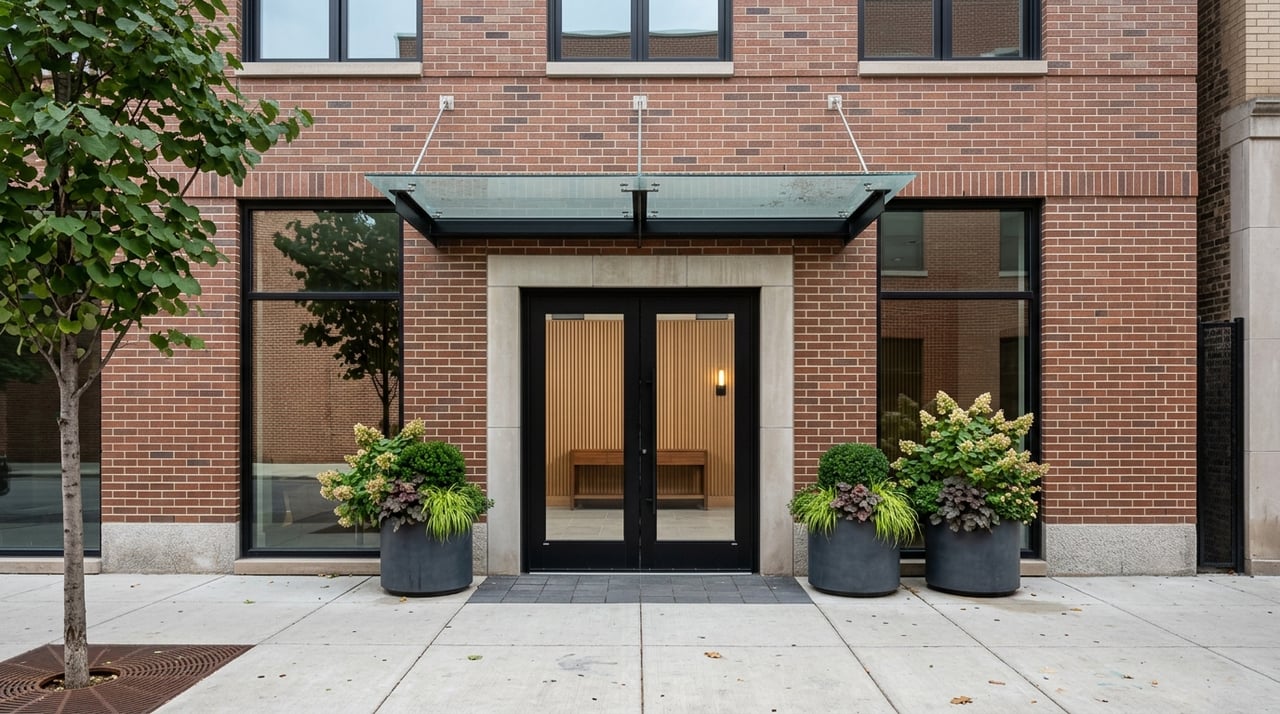
For buyers who want the most village-like setting in Powell, downtown usually stands out first. This area is the historic heart of the city, with roots going back to the early 1800s, and the city continues to guide reinvestment in a way that respects the older character of the core. That means you get history, but not a frozen-in-time district.
A city market study notes that the oldest downtown structure dates to 1860, with 21 structures built between 1869 and 1910. At the same time, about half of downtown buildings were built after 1980. In practical terms, that creates a mix of older architecture and newer infill that still fits the village scale.
Downtown Powell also feels more walkable than most other parts of the city. Village Green Park serves as a gathering place, and the city notes that residents can walk or bike from parks to the library, downtown shops, and other everyday amenities. If you value a central green, civic buildings, and a visible historic layer in the streetscape, this part of Powell may feel especially appealing.
Established Powell Subdivisions
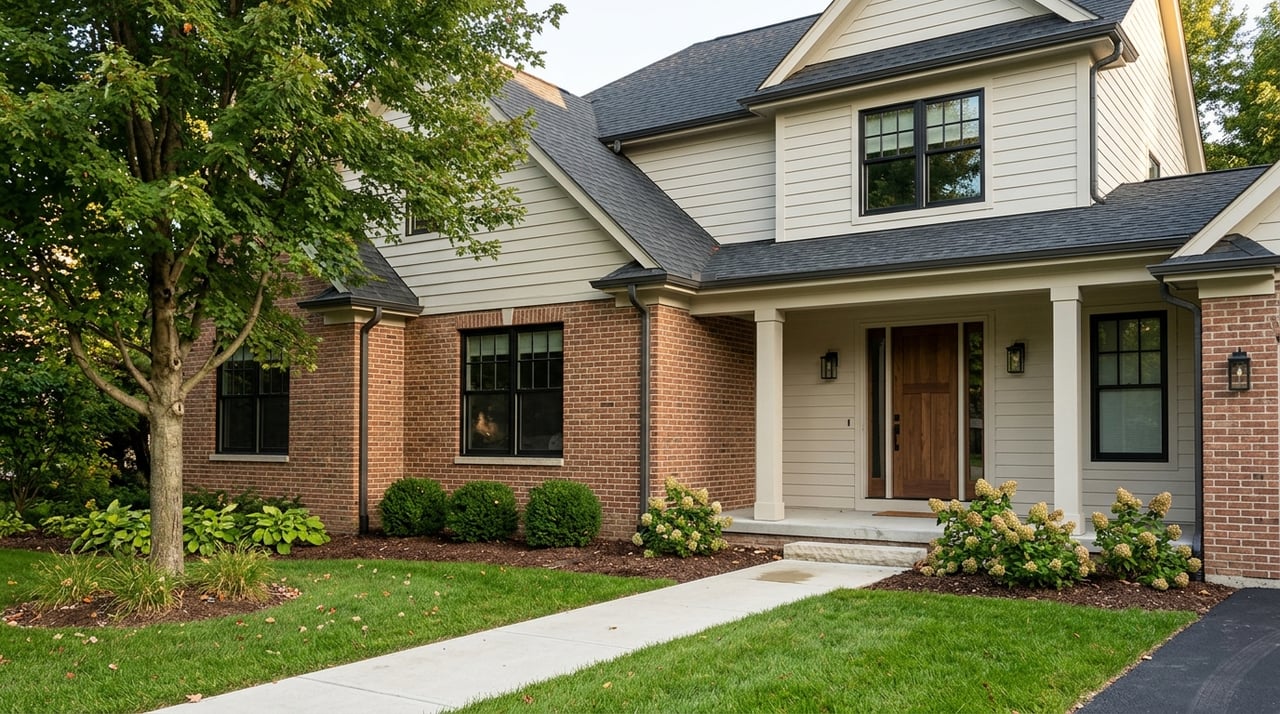
Outside downtown, many Powell neighborhoods are established subdivisions with a more traditional suburban layout. The city’s homeowner association listings include names like Ashmoore, Murphy Park, Grandshire, Deer Run, Falcon Ridge, The Chase, and Wedgewood. That HOA presence often supports a more consistent appearance from one street to the next.
In many of these neighborhoods, the appeal is less about walkability to a downtown core and more about visual cohesion, mature landscaping, and a settled feel. This can be a strong fit if you want a neighborhood that feels organized and established rather than brand new or highly mixed in style.
The park system adds another layer to that character. Meadowview Park, located within Ashmoore, includes a winding forest trail, a fishing pond, and a playground. Murphy Park offers a quieter setting with playgrounds, horseshoe and bocce areas, and a rental shelter, reinforcing the green and residential feel found in many established parts of Powell.
Golf-Course Community Appeal
Some of Powell’s best-known neighborhoods are tied to golf-course settings. These communities often appeal to buyers looking for larger homes, polished streetscapes, and a more curated atmosphere. In Powell, Wedgewood and Golf Village are two of the clearest examples.
Wedgewood Style and Setting
Wedgewood is one of Powell’s most recognized golf-course communities. According to its HOA, the neighborhood includes more than 440 single-family homes and is known for rolling hills, mature trees, and homes that in some cases back to the Wedgewood Golf and Country Club course. The overall setting reads as established, upscale, and visually refined.
For you as a buyer, that often translates to a stronger sense of separation, larger home footprints, and a landscape that feels shaped by the course and natural topography. If you are drawn to mature trees and a more traditional prestige-suburb look, this type of neighborhood may stand out.
Golf Village’s Curated Look
Golf Village offers a slightly different version of planned-community living. Its HOA uses a Design Review Board and applies detailed standards for golf-course-adjacent lots, roof colors, lighting, landscaping, and mailbox details. There are also separate annual budget notices for single-family and condo sections.
That level of oversight tends to produce a more uniform streetscape and strong curb appeal. If you prefer neighborhoods where exterior details are tightly managed, Golf Village may feel especially orderly. If you want more freedom in how a neighborhood evolves visually, you may want to compare it with older subdivisions that feel a bit less controlled.
Newer Communities and Low-Maintenance Options
Powell is not only a detached-home market. While single-family homes dominate the city overall, some newer communities offer a different lifestyle with less exterior upkeep and more shared amenities. These options can be especially useful if you want Powell’s location and character without taking on a large lot or extensive maintenance routine.
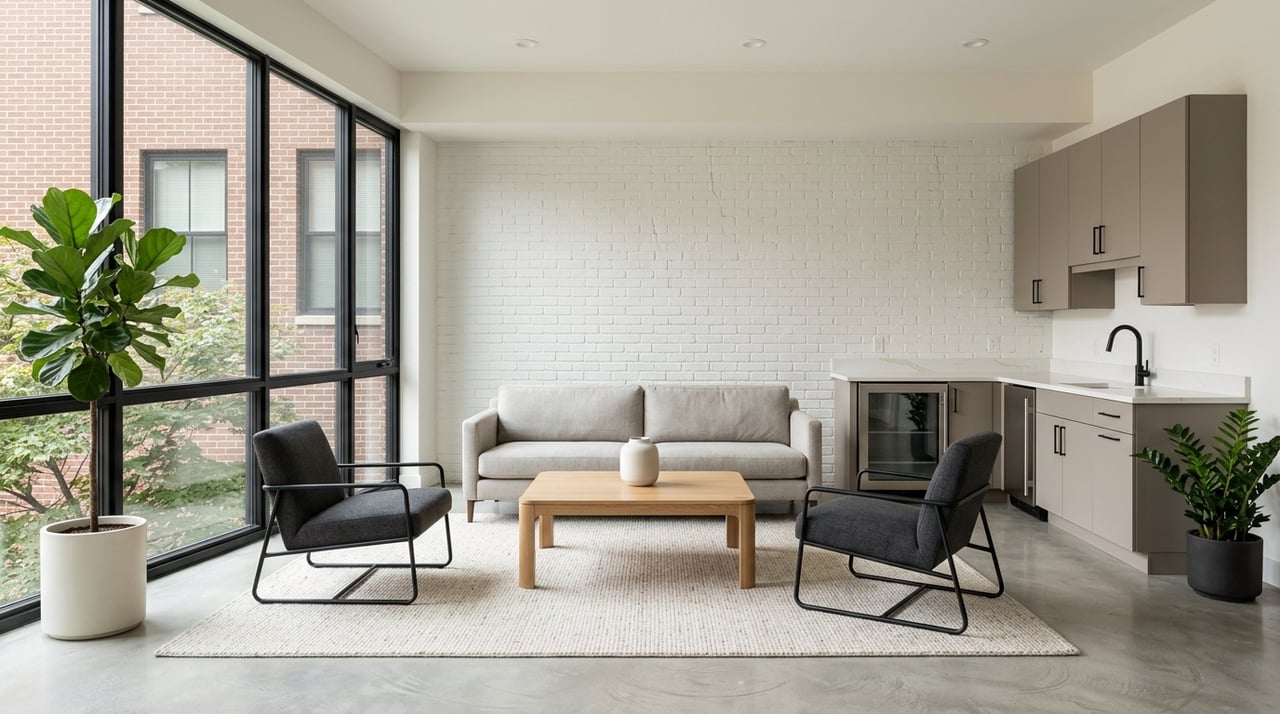
Kinsale Village shows this side of the market clearly. Established in 2007, the community includes 124 condominiums, five ponds, an outdoor pool, a fitness center, and a clubhouse. The community describes itself as friendly, quiet, and comfortable, which gives buyers a very different experience from a traditional single-family subdivision.
The Courtyards of Hyatts Village reflects a newer low-maintenance direction in Powell. Construction began in 2024, and the neighborhood is planned for 131 single-family homes with one- and two-story plans, attached garages, courtyard patios, and HOA services that include lawn care, landscaping, common-area maintenance, and snow removal. Amenities such as a clubhouse, fitness center, outdoor pool, pickleball, bocce, and walking and biking paths make the setting feel more lifestyle-oriented than lot-driven.
Recent city permit reporting also points to continued residential activity near the golf corridor, including the Residence at Golf Village with three-story buildings, a pool and cabana, and a detached garage building. That is a helpful reminder that Powell’s housing options are expanding in selected areas beyond the classic detached suburban model.
How Powell Neighborhoods Feel Different
The biggest takeaway is that Powell’s character changes by micro-location. Even though the city has a clear overall identity, your day-to-day experience can vary quite a bit depending on where you land. That is why it helps to look past the city name and focus on how each neighborhood actually lives.
Here are a few questions that can help you narrow the right fit:
- Do you want to walk or bike to downtown amenities and civic spaces?
- Do you prefer mature trees and an established subdivision feel?
- Are golf-course views or club-style surroundings part of your ideal setting?
- Would lower-maintenance living with HOA services make life easier?
- Do amenities like trails, ponds, a pool, or fitness space matter to your routine?
In Powell, the answer is often less about choosing the city and more about choosing the version of Powell that matches your priorities. Some buyers want a historic streetscape and central gathering spaces. Others want a polished HOA community, a golf setting, or a newer home with maintenance support built in.
What Buyers Should Watch For
Powell’s planning materials suggest that the city places real value on scenic resources, orderly development, and connected trails and public spaces. That helps many neighborhoods maintain a cohesive look and broad appeal. While no one can promise future resale results, these qualities often matter to buyers who value appearance, convenience, and ease of living.
As you compare homes, it helps to pay attention to more than square footage or finish level. Look at how the neighborhood connects to parks, trails, or downtown. Notice whether the setting feels historic, mature, highly managed, or low-maintenance, because those details shape your experience just as much as the house itself.
Powell is best understood as a mostly detached-home suburb with selective condo, patio, and low-maintenance options layered into a small city footprint. If you want help sorting through which area fits your lifestyle, timing, and long-term goals, Jill Beckett-Hill can help you compare Powell neighborhoods with clear, local guidance.
FAQs
What home styles are most common in Powell, Ohio?
- Powell is primarily a detached-home market, with roughly 90% of housing units classified as single-unit homes, though there are also condo and lower-maintenance community options in selected areas.
What is the character of downtown Powell for homebuyers?
- Downtown Powell offers the most walkable, village-like feel in the city, with a mix of historic buildings, newer infill, Village Green Park, and access to shops, the library, and other amenities.
What are established neighborhoods like in Powell?
- Many established Powell subdivisions have HOA structures, mature landscaping, nearby parks, and a cohesive suburban feel that tends to be more green and settled than urban.
What makes Powell golf-course communities different?
- Golf-course communities such as Wedgewood and Golf Village typically offer a more polished streetscape, stronger visual consistency, and settings shaped by fairways, mature trees, and detailed community standards.
Are there low-maintenance communities in Powell, Ohio?
- Yes. Communities such as Kinsale Village and the Courtyards of Hyatts Village offer lower-maintenance living with shared amenities and HOA-supported exterior upkeep.
How should you choose the right Powell neighborhood?
- The best approach is to match the neighborhood to your priorities, including walkability, upkeep, privacy, amenities, and the overall feel you want from your daily surroundings.